
Noticing water pooling around your HVAC unit can be alarming, especially in Clearwater where air conditioning systems run frequently to combat heat and humidity. While water near your system doesn’t always signal a major repair, it should never be ignored. Moisture around your indoor unit can point to issues like a clogged condensate drain line, frozen evaporator coil, dirty air filter, or problems with the drain pan — all of which can lead to water damage and reduced system performance if left unresolved.
At Best Services, we understand how important it is to address HVAC concerns quickly to protect your comfort and your home. In this guide, we’ll walk through the common reasons water may appear around your HVAC unit, the safe steps homeowners can take to minimize damage, and when it’s time to call a professional for expert AC service.
Let’s delve into some of the most common reasons that water accumulates around HVAC systems:
Improper Installation
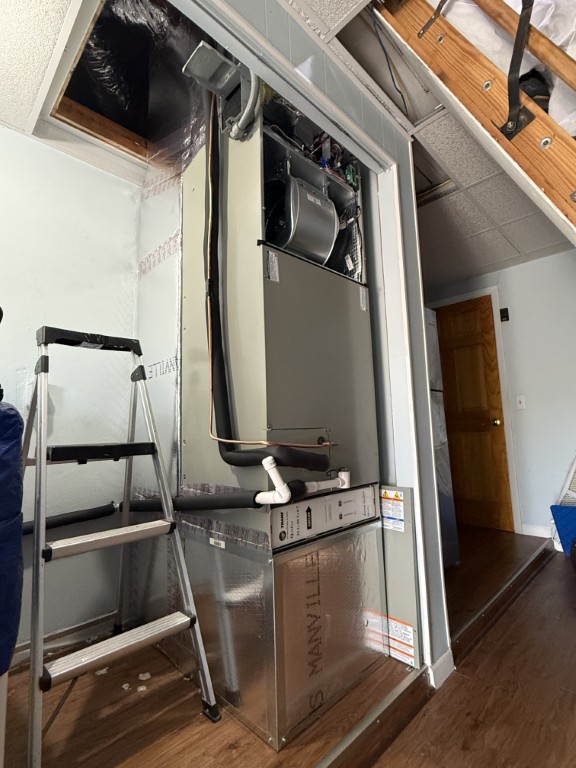
Water discovered on the floor around new HVAC equipment can usually be attributed to improper installation. Your unit has many important components, and the improper placement or configuration of any part can result in a leak.
First, inspect the condensate trap to determine if it’s properly designed. An improper trap design can stop the condensate from draining, causing water to build up in the drain pan and overflow onto the floor.
To prevent this issue, hire a qualified HVAC technician to install your HVAC system. Best Services currently offers a variety of financing options and everyday discounts.
Clogged Condensate Pipe
Dirt and dust can accumulate in condensate drain lines over time. If not regularly cleaned, these pipes can become clogged, preventing condensation from traveling from the unit to the drain pan. When the pipe is blocked, water backs up into your home.
To determine if a clogged condensate pipe may be the problem, consider the volume of the leak. Clogged condensate pipes generally result in a slow drip. If there is a constant flow of water, it could mean that the condensate pipe has been punctured or disconnected.
Dirty Air Filter
Regularly changing the air filter in your HVAC unit can help keep your unit running smoothly, lower your utility bills, and promote good air quality in the home. When you forget to replace the air filter, it can become clogged with dirt, dust, and debris.
Clogged air filters prevent proper airflow over the evaporator coils, which causes them to get too cold and ice over. Ice accumulation on the evaporator coils thaws, leading to more water than the drain pan can handle. The excess water may then overflow the drain pan onto your floor.
Ideally, air filters should be cleaned every two weeks, especially during peak cooling and heating seasons, and replaced every three to four months. More frequent replacements may be required in homes with pets, allergy sufferers, or homes in dusty, dry climates.
Best Services offers our maintenance plans for customers across the Clearwater, FL, area. In early spring, we perform essential maintenance on your AC unit, including air filter replacement.
Frozen Evaporator Coil
Frozen evaporator coils are generally caused by inefficient airflow. While a dirty air filter is one of the most common causes of ice accumulation on evaporator coils, ice buildup may have other underlying causes, such as backed-up drain clogs or a low fan speed.
The unit’s evaporator coil can get covered in dust, dirt, and grime, preventing it from getting enough airflow to transfer heat and causes the system to freeze. Regular evaporator coil cleaning is a key component of any AC tune-up service.
Damaged Drain Pan
Your HVAC equipment will show signs of wear and tear as it ages. One of the most common signs of an old unit is a damaged or rusted drain pan. This usually occurs when the equipment reaches 12 to 15 years of age. The drain pan is constantly exposed to moisture and can degrade over time.
If you see rust inside the drain pan, you may spot weak spots where water is leaking onto your floor. Closely examine the drain pan for cracks or holes and decide whether it should be repaired. Minor cracks can often be patched with a quality water-resistant sealant. More extensive damage may require a drain pan replacement.
Broken Sump Pump
In a typical setup, the furnace and indoor AC unit are located in the basement or attic, and a condensate pump pumps water outdoors. Once the water level in the condensate pump reservoir rises to a certain level, the float switch inside the pump is triggered, forcing the water to drain outside the home.
Water can leak onto the basement floor if this pump breaks or malfunctions. If you suspect your condensate pump may be broken or malfunctioning, contact an HVAC technician to test and replace the pump if needed.
Low Refrigerant Levels
HVAC systems contain a chemical known as refrigerant, which helps prevent the pressure from dropping too low inside the unit. This can cause the evaporator coils to freeze. When the coils thaw, they can cause the drain pan to fill and overflow. A leak usually causes low refrigerant levels.
Several signs could indicate that your refrigerant levels are low, such as hissing, bubbling, or gurgling noises from your refrigerant lines. In addition, you may notice that your unit is not effectively cooling your home. Low refrigerant levels require an HVAC technician to repair the leak and recharge the system.
Drain Line Disconnect
In some instances, water around the floor of an HVAC unit may be due to a disconnected drain line. Water can leak from the connections when the drain line is not attached correctly. Drain line disconnect is most commonly caused by improper installation, improper repair, or a line that has become loose over time.
If the drain line is disconnected, call in an HVAC technician to inspect the condition of the drain line and reconnect it. With an A+ BBB rating, you can rest assured that Best Services will handle your problem with the utmost care and promptness.
Problematic Humidifier
Some homes are equipped with whole-house humidifiers, which are designed to add moisture to the air to prevent dryness and irritation. These systems are often configured with furnaces and rely on water to increase the amount of moisture in the air.
However, when the lines attached to the humidifier are poorly fitted, cracked, or otherwise damaged, the excess water that is supposed to travel into the drain line can leak onto the floor. Leaks can also develop when clogs form inside the drain line. Contacting an HVAC technician can stop the leak and related problems, such as water damage and mold growth.
Lack of Routine Maintenance
The best way to prevent water leaks and damage to your home is by having an HVAC professional regularly maintain your unit. Regular maintenance to-do lists should include replacing dirty air filters, inspecting vents and ductwork, cleaning evaporator coils, flushing the drain line, and diagnosing potential problems with the unit.
Let Best Services maintain your HVAC system with year-round routine maintenance. Our maintenance plans includes an array of benefits.
Call Your Trusted HVAC Professionals
Water around your HVAC unit is often an early warning sign that something isn’t working as it should. While simple issues like a clogged drain line or dirty filter can sometimes be addressed quickly, ignoring excess moisture can lead to water damage, mold growth, and more serious system repairs. Taking prompt action — such as shutting off the system, checking your filter, and clearing visible blockages — can help protect both your HVAC equipment and your home.
If the problem persists or you’re unsure of the cause, the team at Best Services is ready to help. Our skilled technicians can identify the source of the leak, make necessary repairs, and ensure your system is operating safely and efficiently in Clearwater’s demanding climate. Contact Best Services today to schedule professional service and restore comfort and peace of mind to your home.